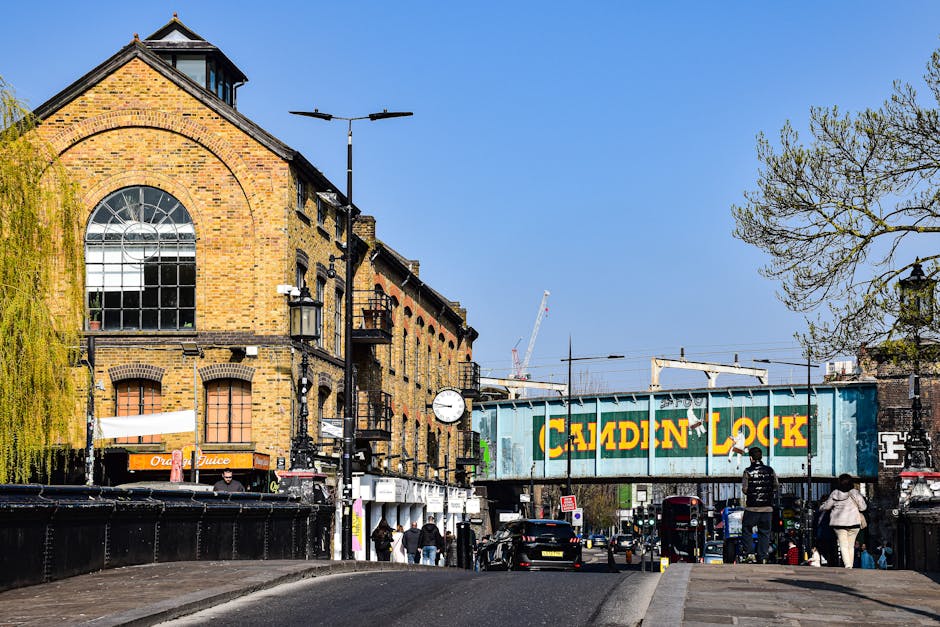
Catford Bridge station pickup tips for man and van

If you are arranging a collection near Catford Bridge station, a few smart decisions can save time, reduce stress, and stop the whole pickup from turning into a curbside scramble. Catford Bridge station pickup tips for man and van is really about making the handover smooth: picking the right meeting point, timing the van correctly, avoiding blocked entrances, and keeping everything safe for you, the driver, and other people passing through the area. Simple enough in theory. In practice? A bit less tidy.
This guide breaks the process down into clear, local, real-world steps. Whether you are moving a few boxes, collecting furniture, or organising a fuller load with a man with a van service, you will find practical tips that help the pickup run properly from the first message to the final lift. If you are comparing options, the pages on man and van in Catford and man with van rates are useful next stops once you know what you need.
And yes, station pickups sound straightforward until you meet a late train, a narrow pavement, or a client who says "I'm just coming out now" and then disappears for nine minutes. Let's make sure that doesn't happen to you.
Why Catford Bridge station pickup tips for man and van matters
Catford Bridge station sits in a busy part of South London where people are arriving, leaving, checking phones, crossing roads, and trying not to miss trains. That creates a very ordinary but very real challenge for a pickup vehicle: limited waiting space, fast-changing foot traffic, and not much room for error. If you are trying to meet a driver there, the pickup needs to be well coordinated rather than improvised at the last second.
For a man and van job, the pickup point matters because it affects almost everything else: how long the vehicle waits, whether loading starts on time, how many trips are needed, and whether the driver can stop legally and safely. A few minutes of poor planning can turn into a longer job, which is never ideal for anyone. The good news is that station pickups are manageable if you think ahead.
It also matters for customer experience. Nobody wants to stand in the rain with a sofa cushion and three recycling bags wondering where the van has gone. You want a clean handover, a quick load, and the feeling that the whole thing was handled properly. If your move is part of a bigger relocation, you may also find it useful to read about removals in Catford or house removals in Catford to see how station pickups fit into a wider moving plan.
Expert summary: the best station pickup is the one nobody notices. The van arrives, the contact is clear, the load is ready, and the driver can leave without blocking traffic or guessing where to stop. That is the sweet spot.
How Catford Bridge station pickup tips for man and van works
At its core, a station pickup is a short logistics exercise. The client and the driver agree a meeting point, the driver arrives in a suitable vehicle, and the items are transferred quickly and safely. Near Catford Bridge station, that usually means balancing convenience with common sense. The nearest visible spot is not always the best spot.
In a typical scenario, the customer texts or calls when they are nearly ready, the driver approaches from a route that allows a sensible stop, and the load is moved from platform area, station frontage, side road, or nearby pavement into the van. The key is that the driver should not be left circling while someone finishes packing a box from scratch. That kind of delay tends to snowball.
There are a few moving parts to get right:
- Timing: arrange the pickup for a realistic window, not a guessed one.
- Location: choose a meeting point that is easy to explain and safe to access.
- Load size: match the vehicle to the amount of luggage, boxes, or furniture.
- Communication: keep the driver updated if the train is late or the lift is broken.
- Access: make sure there is space to stand, load, and turn without causing a fuss.
If you are using a provider for the first time, it is sensible to confirm the service details in advance through the services overview and, if you want a more tailored booking style, the man and a van Catford page. That helps make the pickup feel planned rather than improvised.
Key benefits and practical advantages
Done properly, a station pickup with a man and van service is one of the most efficient ways to move items around Catford. You avoid dragging heavy bags across half the neighbourhood, you get help loading, and you keep the whole job compact. That is especially helpful when you are dealing with a tight schedule.
Here are the main benefits in plain English:
- Less lifting stress: the driver can help with the heavy or awkward bits.
- Faster turnaround: a well-planned station pickup can be finished quickly.
- Local convenience: it works well for short-notice collections and same-day moves.
- Better control: you can meet at a precise point instead of waiting around at home.
- Flexible load sizes: perfect for boxes, small furniture, student belongings, or office items.
There is also a subtle but important advantage: a station pickup tends to be easier to coordinate than a door-to-door collection in a crowded residential street. You can often spot each other more easily, especially if you have agreed a landmark and described what you are wearing. Sounds a bit silly, but it saves time. To be fair, half of local logistics is just good messaging.
For people comparing this with other move types, a station pickup is usually a better fit than a full-service house move when the load is modest. If you are shifting furniture rather than just boxes, take a look at furniture removals in Catford or, for larger loads, removal van Catford. Different jobs, different tools.
Who this is for and when it makes sense
Station pickup tips are most useful for people who need a simple, flexible collection point rather than a long domestic move. In real life, that usually includes a fairly broad mix of customers.
- Students heading to or from nearby accommodation with boxes, suitcases, and desk items.
- Flat movers who need a quick pickup after leaving a station or meeting a driver between addresses.
- Office teams moving files, monitors, or small equipment without booking a large lorry.
- Online marketplace buyers and sellers collecting furniture or large items.
- Busy households who need help collecting from a rail-arrival point rather than from home.
- Anyone on a tight timetable who wants a same-day or short-notice collection.
It is especially sensible if the person arriving by train does not want to drag items through busy streets, or if the driver needs to meet them near the station because the destination address is awkward to access. That is where a flexible local service can really earn its keep.
If you are in a hurry, a same-day arrangement may be worth considering. The page on same-day removals Catford gives a clearer idea of how urgent jobs are handled, while student removals Catford is useful if the pickup is part of term-time moving.
Step-by-step guidance
If you want the pickup to run smoothly, keep the process simple and controlled. Here is the approach that usually works best.
- Confirm what is being collected. Be specific. "Two suitcases, four boxes, and a small desk lamp" is much better than "a few things."
- Agree the meeting point. Pick a landmark that both sides will recognise quickly. Station entrance, nearby side road, or a named roadside spot can work well if it is safe and lawful to stop there.
- Share the arrival window. If the train is delayed or the lifting point changes, tell the driver early. Ten minutes' notice is far better than none.
- Make the load ready. Items should be packed, sealed, and placed where they can be moved without last-minute sorting. Nobody wants to hunt for parcel tape beside the van.
- Keep walking space clear. Don't block the pavement with loose bags. It sounds obvious, but this is one of the easiest ways to create a bottleneck.
- Load in the right order. Heavy or fragile items should be handled first, and clearly labelled if needed.
- Check the destination instructions. If the job is going to storage, a flat, or an office, make sure the driver knows where the items are going next.
A small but helpful detail: send a quick description of yourself or the bags before arrival. "Blue rucksack and two black boxes" beats a vague "I'm here." It is one of those tiny things that make everything feel easier.
If you need boxes or packing support first, packing and boxes Catford is worth a look. And if the items need to be held before delivery, storage Catford can be a useful part of the plan.
Expert tips for better results
After enough local pickups, a pattern starts to emerge. The best ones are not necessarily the fanciest. They are the ones where everyone has done a little preparation and nobody is trying to improvise at the kerbside.
- Use one clear point of contact. Too many texts from different people can slow things down.
- Send a photo if the spot is awkward. A quick picture of the street or entrance can remove confusion fast.
- Book a few minutes early if the load is bulky. This gives room for stairs, lifts, or station foot traffic.
- Label fragile items clearly. Not every driver will know whether a box contains books or glassware, unless you say so.
- Keep valuables with you. That includes keys, passports, cards, and work devices.
- Think about weather. A wet platform edge and cardboard boxes are not friends. Not even close.
It can also help to choose the service by load type, not just by price. For example, a single item pickup may suit one vehicle setup, while a small house move or flat move may need a different approach. If you want to compare how these services are positioned, flat removals Catford and house removals Catford show how job size changes the setup.
One more thing: if you are collecting something heavy, think about where it will sit in the van before you get to the station. Repacking on the pavement is where you lose time and patience. I've seen it happen at lunchtime, in drizzle, and nobody looked thrilled.
Common mistakes to avoid
Most pickup problems are boring rather than dramatic. That is the good news. Boring problems are easier to prevent.
- Vague meeting instructions: "Near the station" is not enough. Use a named entrance or a visible landmark.
- Underestimating load size: a few "extra" bags can become the reason the van is cramped.
- Assuming the driver can stop anywhere: stopping rules matter, and illegal stopping creates delays and hassle.
- Leaving packing until the last minute: this is the classic one. It always feels harmless until everyone is waiting.
- Forgetting stairs or no-lift access: that can affect timing more than people expect.
- Not checking what is excluded: some items need special handling, and not every service is suitable for every load.
There is also a small trust issue that people sometimes overlook: if you do not explain the job properly, you may end up with the wrong type of vehicle or the wrong amount of help. Then everybody is having a slightly awkward conversation on the pavement. Avoidable, really.
If you want a broader picture of the provider side, the page on removal services Catford is useful. For a broader sense of the business, removal companies Catford can help you compare approaches without guessing.
Tools, resources and recommendations
You do not need a complicated toolkit for a station pickup, but a few basics make life much easier.
- Phone with charge: keep your battery healthy, especially if you are meeting after a train journey.
- Message thread or call log: simple proof of timing and instructions if anything changes.
- Labels or marker pen: helpful for identifying fragile, heavy, or priority items.
- Reusable bags or straps: ideal for bundles, loose items, or awkward handles.
- Small trolley or dolly: useful if you are moving several boxes over a short distance.
From a service-planning perspective, it is worth checking prices and booking details before the day. The page on pricing and quotes is a sensible place to start, while services overview can help you choose between moving support options. If you are trying to understand what kind of van or support is right for the job, the more specific removal van Catford page may be a better fit than making assumptions.
And for peace of mind around handling, it is worth reading the company's approach to insurance and safety before you book. When items are being lifted around a station, the basics matter more than the sales talk.
Law, compliance, standards, or best practice
Station pickups sit in that grey but important space where everyday logistics meets public safety. You do not need to become a transport lawyer to get this right, but you should follow normal UK road and loading best practice.
In practical terms, that means stopping only where it is lawful and safe, avoiding obstruction, keeping pavements clear where possible, and making sure neither the driver nor the customer is forced into risky lifting or rushing. If the station area is busy, common sense matters as much as any policy. A good operator will think about visibility, pedestrian movement, and safe loading before they think about speed.
Good practice also means being honest about what the service can and cannot do. Some jobs need more than a standard pickup, especially if there are stairs, fragile items, bulky furniture, or timing constraints. If you are not sure, ask before the day rather than hoping it will sort itself out. It rarely does.
For a provider with clear operating standards, documents such as terms and conditions, health and safety policy, and complaints procedure are useful indicators that the business takes its responsibilities seriously. You may never need them, which is exactly how you want it.
Options, methods, or comparison table
Choosing the right pickup method depends on what you are moving, how quickly you need it done, and how much help you want at the station. Here is a simple comparison.
| Pickup method | Best for | Pros | Watch-outs |
|---|---|---|---|
| Meet at station frontage | Small loads, simple handovers | Easy to find, quick to explain | Can be busy at peak times |
| Meet on a nearby side street | Loads needing a slightly calmer loading space | Often easier for short loading windows | Needs clearer directions |
| Collect from a nearby address after station arrival | Flat moves, furniture, or multiple boxes | More controlled loading | May take longer if access is awkward |
| Same-day flexible pickup | Urgent or changing plans | Fast response, less waiting | Availability can vary |
As a rule of thumb, the smaller and lighter the load, the more sense it makes to keep the pickup simple. The heavier or more delicate the job, the more you benefit from a more structured collection point and a vehicle matched to the task. If the move is time-sensitive, a local option such as same-day removals Catford can be worth checking.
Case study or real-world example
Here is a typical local scenario. A student arrives at Catford Bridge station with two suitcases, a laundry bag, and four boxes from a flat share. They have arranged a pickup because walking everything across town in one go would be a pain, especially after a long day.
The pickup works because they do three small things well. First, they confirm the train arrival window in advance. Second, they send the driver a simple description of the load and a photo of the boxes stacked near the exit point. Third, they keep their phone charged and ready, so if the platform is busier than expected, they can adjust the meeting point without drama.
What does the driver do right? They arrive with a vehicle that has enough room, they avoid unnecessary waiting, and they help move the load directly from the meeting point to the van. No guesswork. No endless phone calls. Just a clean handover and away. That is the whole game, really.
Now compare that with the less successful version: the client arrives late, one box has split open, nobody agreed the stop point, and the driver is waiting in traffic while someone searches for a password to get into a building. Same job, entirely different experience. Tiny details. Big difference.
If your pickup is part of a more complex local move, you may also find it helpful to read the guide to Catford Broadway moving guidance, which covers how neighbourhood access and timing can affect a removal day.
Practical checklist
Use this checklist before the van arrives. It will save you from the sort of chaos that only seems small until everyone is standing around in the cold.
- Confirm the exact pickup window.
- Share the meeting point clearly and keep it simple.
- Tell the driver what is being collected.
- Pack fragile items properly.
- Label anything heavy, delicate, or urgent.
- Keep the path clear for lifting and walking.
- Make sure someone is available at the agreed time.
- Charge your phone before leaving home or the station.
- Check if you need help with stairs or building access.
- Have payment or booking details ready if needed.
Quick takeaway: the smoother the handover, the cheaper and calmer the job usually feels. That is not magic, just organisation. And a little bit of patience helps too.
If you are ready to plan your pickup properly, take a look at man and van Catford and compare it with man and a van Catford so you can choose the service that fits your load, timing, and access needs.
Get a free quote today and see how much you can save.
Conclusion
Station pickups near Catford Bridge do not need to be stressful. In most cases, the difference between a smooth job and an annoying one comes down to a handful of practical habits: clear timing, a sensible meeting point, sensible packing, and straight communication. Nothing exotic. Just decent planning.
If you are moving a few boxes, collecting furniture, or arranging a local handover after a train journey, the right man and van setup can make life noticeably easier. And to be fair, in a busy place like Catford, easier is exactly what you want.
Get the basics right, keep the messaging simple, and the pickup should feel refreshingly ordinary - which is exactly how a good move should feel.
Frequently Asked Questions
What is the best pickup point near Catford Bridge station for a man and van?
The best pickup point is usually the one that is easiest to find, safest to stop near, and least likely to block pedestrians or traffic. A clear landmark beats a vague "near the station" instruction every time.
Should I book a man and van before I arrive at Catford Bridge station?
Yes, if possible. Pre-booking gives the driver time to plan the vehicle and route properly. It also reduces waiting around if your train arrives late or the load is bigger than expected.
How much notice do I need for a station pickup?
That depends on the service and the time of day, but giving notice is always better than leaving it to the last minute. For urgent collections, a same-day option may help if availability is open.
Can a man and van help with heavy items collected from a station?
Often yes, but the item type matters. Heavy or awkward items should be described clearly in advance so the right vehicle and handling plan can be used.
What should I tell the driver before the pickup?
Share the pickup time, the exact meeting point, the number and type of items, any stairs or access issues, and whether anything is fragile or especially heavy.
Is it better to meet at the station entrance or nearby side street?
It depends on traffic, stopping space, and how much you are loading. A side street can be calmer, but only if it is easy to explain and reach. The best option is usually the safest and simplest one.
What if my train is delayed?
Tell the driver as soon as you know. A short update can save a lot of waiting and confusion, and it helps the driver adjust the timing without wasting fuel or time.
Do I need packing materials before meeting the van?
If you are moving boxes, fragile items, or anything that might open during transit, yes. Good packing makes loading quicker and safer. The page on packing and boxes can help if you need to get organised first.
Can I use a station pickup for furniture as well as boxes?
Yes, but furniture usually needs more care, more space, and sometimes a different vehicle setup. Small items are easier; larger pieces are better handled as part of a more structured removal.
How do I know which service is right for my pickup?
Think about load size, access, urgency, and whether you need help with lifting. If you are unsure, compare the service pages and ask for a quote based on the real job rather than a rough guess.
Is a station pickup safe in busy areas like Catford?
It can be, as long as the stop is legal, the handover is quick, and everyone avoids blocking foot traffic. Safety improves when the pickup point is chosen carefully and the load is ready in advance.
Where can I check prices before booking?
Start with the pricing and quotes page so you have a realistic idea of what the booking might involve. That is usually better than relying on a quick guess from memory or hope.
What if my pickup becomes a full move instead of a small collection?
That happens more often than people think. If the job grows, it may be worth looking at wider removals support, including house, flat, or furniture-specific options, so the vehicle and timing still fit the load.